Trauma can shape how you experience the world—your body, your emotions, your relationships, and your sense of safety. It may come from a single event or from experiences that occurred continuously over time. Often, trauma lives not just in memory, but in the nervous system.
Trauma does not only occur from a single event but can occur from persistent repeated events or experiences overtime with devastating long-term effects going unnoticed.
At Akin Counselling & Psychotherapy, trauma therapy is not about reliving the past or pushing yourself before you’re ready. It’s about creating safety, restoring choice, and helping your nervous system learn that the present can feel different.
Effects of Trauma may look like:
Feeling constantly on edge, numb, or shut down
Difficulty trusting others or yourself
Extreme emotional overwhelm or sudden shutdown
Body-based symptoms (tension, pain, fatigue, brain fog)
Nightmares or intrusive memories
A hypervigilant sense that something is “wrong” or something catastrophic is going to happen, even when life looks okay
Patterns of behaviour rooted in childhood emotional neglect, attachment wounds, or abuse
If you have felt continuously stuck in patterns that don’t reflect who you are now or feel like there is no escape, you still feel easily activated and emotionally heightened by present or past experiences, and are looking for a safe and slower paced approach to processing and exploring, trauma therapy may be a good fit for you.
You don’t have to carry this alone. Trauma therapy can be a space to reconnect—with yourself, with others, and with the world.
Trauma-informed therapy that meets you with care, safety, and compassion.
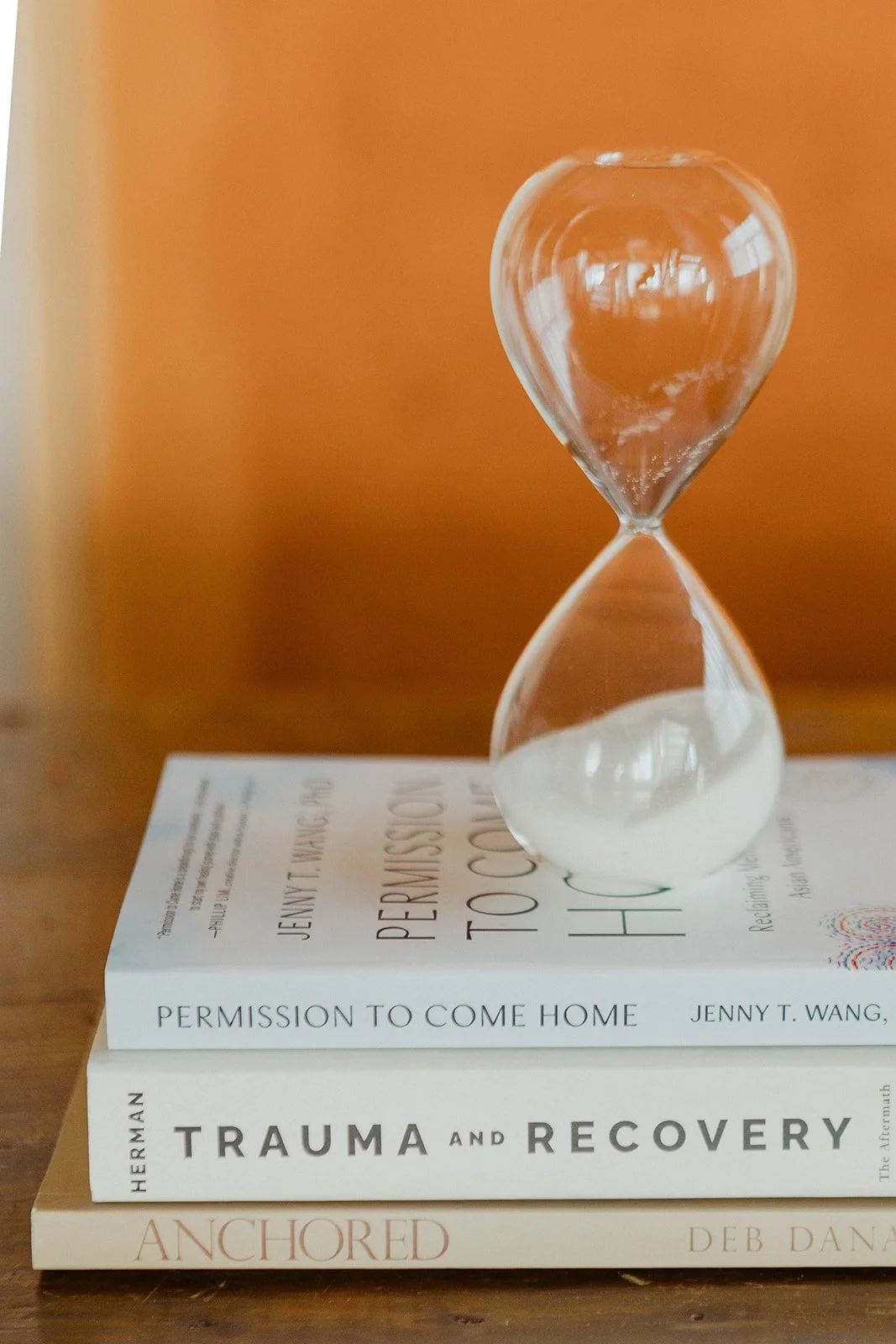
"Trauma isolates; the group re-creates a sense of belonging. Trauma shames and stigmatizes; the group bears witness and affirms."
- Judith Herman
Definitions Related to Trauma
Trauma is the effect that has occurred from a traumatic event. Side effects from traumatic events and experiences overwhelm the nervous system and remain in the individual as fragmented pieces often present when there is a reminder or a ‘trigger’ of the event.
Trauma
A traumatic event is a singular event that poses immense shock, fear response, or is life-threatening. Such as car accidents, natural disasters, witnessing of abuse, neglect, or violence. Trauma may or may not occur from a traumatic event.
Traumatic Event
Complex trauma also known as developmental trauma is exposure to repeated interpersonal threats over time and the effects that arise from them. Often begins in early developmental periods of life.
Complex Trauma
Post-traumatic stress disorder (PTSD) and Complex post-traumatic stress disorder (C-PTSD) is a trauma related mental health disorder which often presents long-standing patterns of re-experiencing past traumatic events affecting mood, cognition, and difficulty with relationships.
PTSD and C-PTSD
Akin Approaches to Trauma Therapy
We focus on building safety and trust first—because meaningful healing and change happens when you feel supported and connected internally, externally, and in-between.
-
Our past, especially our earliest relationships can influence our how we experience safety and belonging. By exploring your past, we can better understand how these experiences influence present behaviours and relationship to help create space for connection that feel secure, supportive emotionally balanced.
-
Trauma is often left unprocessed leaving us feeling dysregulated. Using a somatic approach, we will learn how to build your body awareness, so you have the ability to identify, process, and release these stuck physical sensations and restore flexible regulation.
-
Every part of you has a purpose. This approach helps us become more aware of the different parts of ourselves that often try to manage or protect us and first appear during traumatic experiences. Together we lead with curiosity and compassion towards these parts, their experiences, and show them validation, compassion, and relief from their protective mechanisms.
-
“Where you look affects how you feel”. This approach helps to identify spots in our visual field where traumatic experiences are stuck. By using eye position and mindful attention, this approach can help the brain and body process unresolved emotional material at a deeper level. Together we will identify these spots through a gentle process where the brain can facilitate its own inherent healing.

"Recovery can take place only within the context of relationships; it cannot occur in isolation."
- Judith Herman
If you would like to try an attuned approach to healing trauma both past and present that honours both mind and body, please reach out today.
Contact Us